
 Image 1 of 1
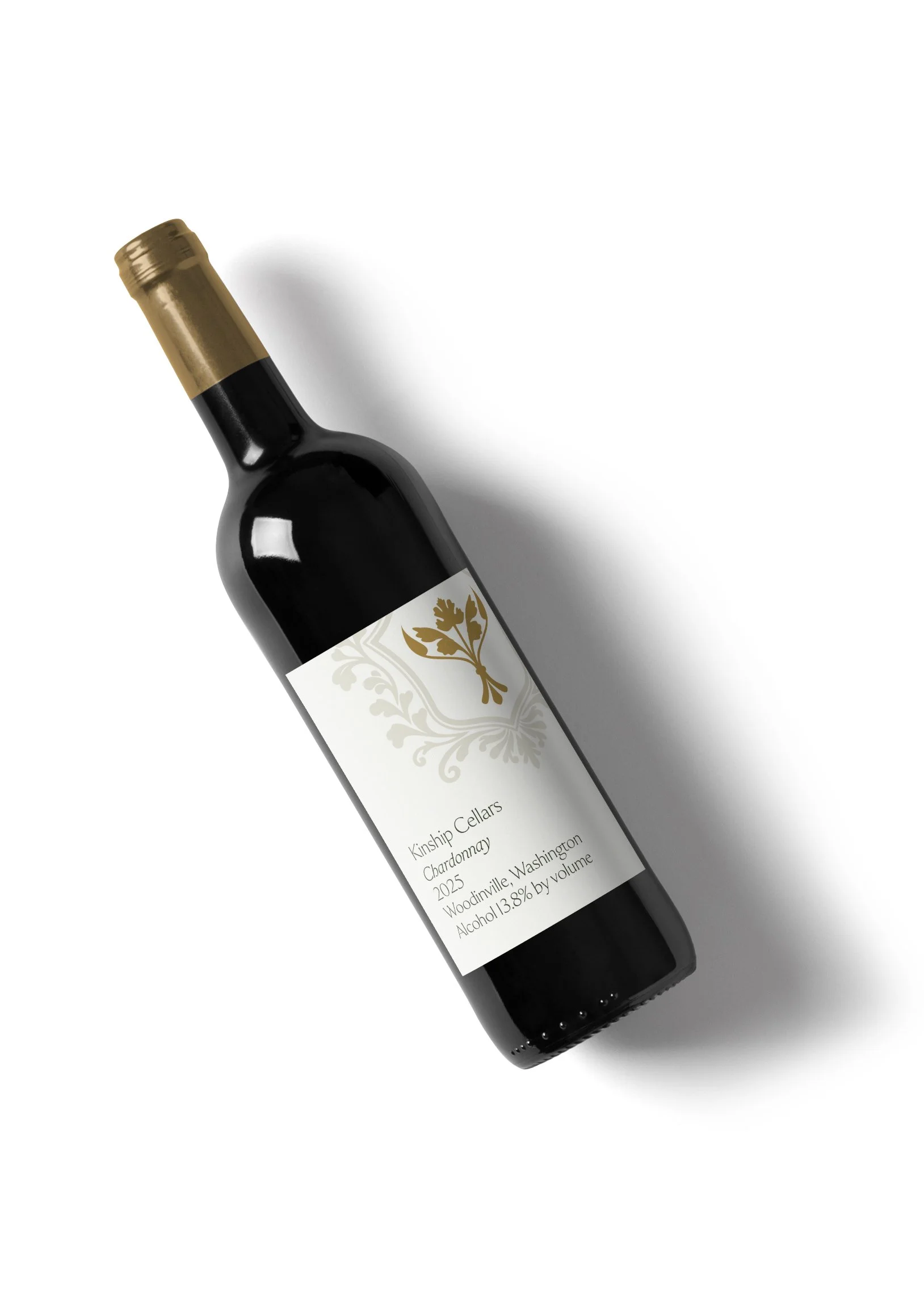
Washington Chardonnay
Washington grows Chardonnay across several regions, but Lake Chelan stands out. Its sandy, well‑drained soils naturally stress the vines, producing concentrated fruit. The lake’s cooling influence preserves acidity, while the Cascades’ rain shadow keeps the grapes from excess water—creating a profile that’s bright, focused, and distinctly Chelan.
So why isn’t Chelan Chardonnay everywhere? The region is still young—grapes were first planted in 1998—so the industry and infrastructure are still developing. Wildfires and the challenge of smoke taint add complexity, and Chelan’s marketing presence lags behind larger, established Chardonnay regions.
Napa
Known for its warmth and generosity, Napa Valley produces some of the richest expressions of Chardonnay. Maritime influence from the Petaluma Gap and San Pablo Bay tempers the heat, but the growing season remains relatively short, encouraging ripe, full‑bodied wines. Soils vary dramatically—from alluvial fans in the foothills to sedimentary rock along the Mayacamas and igneous formations on the Vaca Range—each contributing to the region’s layered complexity. Napa’s hallmark style leans into the “buttery” profile: full malolactic fermentation, often encouraged at warmer temperatures, paired with ample new oak. Expect plush texture, vanilla and spice, and lower perceived acidity, all wrapped in a bold, unmistakably Napa expression.
Sonoma
Shaped by the cooling California Current and its signature fog, the Sonoma Coast offers one of the most consistent climates for Chardonnay. Steep coastal ridges concentrate flavor, while varied soils—often schist‑driven due to tectonic uplift—add mineral nuance. The region typically produces medium to medium‑plus acidity, even when full malolactic fermentation is embraced. The result is refreshing, medium‑bodied Chardonnays with impressive longevity. Expect green apple, Meyer lemon, soft stone fruit, and a flinty edge. French oak is widely used, lending subtle baking‑spice notes such as cinnamon and cardamom that complement the coastal brightness.
Burgundy
Burgundy is an incredibly complex region with varied terroir, from the cool limestone marls in Chablis to the warmer Mâconnais with volcanic bedrock at the southern tip. In general, Burgundy’s relatively cool temperatures engender acidic wines at harvest, however malolactic fermentation is common throughout Burgundy. Some winemakers allow this secondary fermentation to finish, others cut it halfway, or just naturally allow it to end at a cooler temperature. Natural yeast is a traditional component of Burgundian terroir, however some producers have turned to lab yeast to have more control over flavors and fermentation. All these characteristics create balanced wines, both in body and acid. Common flavors include green apple, mascarpone and flint, with some more tropical notes in southern Burgundies.

The Wine Club
Save on wine purchases and more when you join The Kinship Cellars’ Club. Learn more →
ORDERS
Please allow up to 3 business days for your order to be charged and processed, plus the estimated shipping time frame for the shipping method chosen.
DELIVERY
Delivery is available within the United States only at this time. For specific state delivery inquiries, such as weather considerations, please reach out to our team directly on our Contact Us page.